

 Tweet
Tweet
The right to live is the most fundamental of all rights, and forms the basis for all others. If you do not have a right to live, what good are other rights? How can a person who has no right to live benefit from a right to trial by jury, for example? How can a dead person exercise freedom of speech?
The Declaration of Independence refers to “. . . unalienable rights . . . life, liberty and the pursuit of happiness.” The Constitution, in the 5th Amendment, refers to “life, liberty or property.” In each case, the right to life is always listed first, because of its preeminence.
From where do we derive the right to live? The Declaration of Independence says that right is “unalienable,” meaning that it is neither granted, nor can it be taken away – it is a part of us as an element of our human condition. Every living human being has a right to live.
Consider the proposition that the government or society somehow grants us the right to live, or decides when we shall enjoy that right. Could the government or society decide that some people – Blacks, Jews, Catholics – would NEVER get the right to live?
What the government or society grants, the government or society can withhold. If we accept that some human agency “grants” us the right to live, it isn’t a right at all, but a privilege, to be granted or withheld at the whim of the grantor.
If you have a right to live, therefore, it must be an inherent, or unalienable right – as much a part of you as your arms and legs, or your mind or personality.
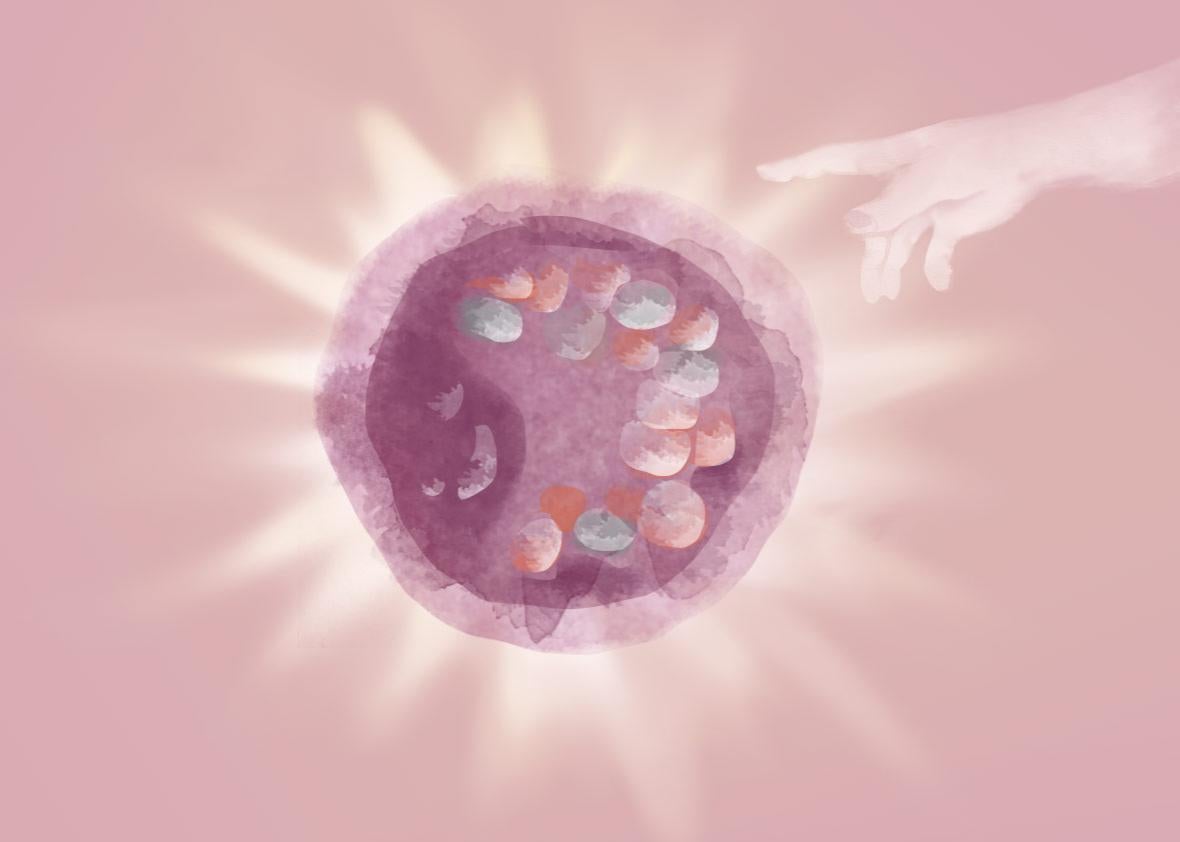
Is an unborn child a living human being?
Well, if the child is not living, there is no controversy at all, is there?
And the child is human – anyone who doubts that can check the DNA – it is human DNA.
And the child is a being – it has its own DNA.
Anyone who holds that ANY living human being does not have the right to life denies the whole concept of human rights.
The Declaration of Independence refers to “. . . unalienable rights . . . life, liberty and the pursuit of happiness.” The Constitution, in the 5th Amendment, refers to “life, liberty or property.” In each case, the right to life is always listed first, because of its preeminence.
From where do we derive the right to live? The Declaration of Independence says that right is “unalienable,” meaning that it is neither granted, nor can it be taken away – it is a part of us as an element of our human condition. Every living human being has a right to live.
Consider the proposition that the government or society somehow grants us the right to live, or decides when we shall enjoy that right. Could the government or society decide that some people – Blacks, Jews, Catholics – would NEVER get the right to live?
What the government or society grants, the government or society can withhold. If we accept that some human agency “grants” us the right to live, it isn’t a right at all, but a privilege, to be granted or withheld at the whim of the grantor.
If you have a right to live, therefore, it must be an inherent, or unalienable right – as much a part of you as your arms and legs, or your mind or personality.
Is an unborn child a living human being?
Well, if the child is not living, there is no controversy at all, is there?
And the child is human – anyone who doubts that can check the DNA – it is human DNA.
And the child is a being – it has its own DNA.
Anyone who holds that ANY living human being does not have the right to life denies the whole concept of human rights.




Comment